
Start With a Walking and Balance Plan Built Around Your Routine
During the first phase, the clinician looks at your walking pattern, turning control, sit-to-stand mechanics, strength, posture, and the situations that trigger unsteadiness. If you’re comparing options for a Rehabilitation Center in New York, NY or a Physical Therapy Clinic in New York, NY, choose care that explains what is driving your instability and how progress will be measured in daily function, not only in the clinic.
What A Strong First Phase Typically Includes:
- Gait and balance screening under real tasks (turns, steps, stairs, uneven surfaces)
- Strength assessment for stabilizers like hips, ankles, and core
- Posture and movement analysis for compensation patterns
A plan that progresses with clear checkpoints and home carryover
Why Balance Changes and What Therapy Targets
Some balance issues are strength-driven, some are coordination-driven, and others come from how pain or stiffness has changed your gait. Therapy focuses on the specific breakdown point so training is efficient and results show up in daily life. When done well, balance care improves both safety and confidence because you understand what caused the instability and what fixes it.
Common Contributors We Address Include:
- Weak hip and ankle control that affects stepping and turning
- Reduced reaction timing that makes quick changes feel unsafe
- Poor foot placement and shortened steps that increase fall risk
- Stiffness or pain that causes guarded walking and compensation
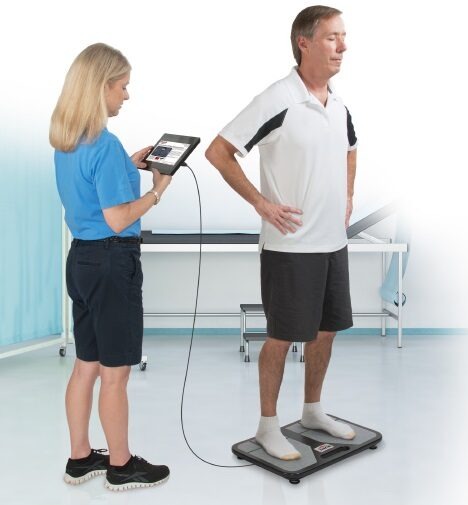
What Is Gait Dysfunction in New York, NY?
Gait dysfunction means your walking mechanics have shifted in a way that reduces efficiency, stability, or safety. Therapy helps by identifying what is driving the change, weakness, stiffness, balance loss, poor timing, pain avoidance, or coordination issues, then retraining walking mechanics with drills that match real-life demands like turning, curbs, stairs, and uneven surfaces. Gait Disorder Treatment is most effective when it targets the exact breakdown point and then progresses the skill in steps.
Treatment Often Focuses On:
- Improving step length, foot placement, and weight transfer control
- Restoring hip and ankle strength to support steadier walking
- Practicing turns and transitions to reduce hesitation and missteps
What Balance Training Looks Like in Physical Therapy
Your plan is typically built in levels, starting with the safest version of a task, then increasing challenge as your control improves. The goal is to improve stability while protecting confidence, because fear of falling can create stiff, guarded movement that makes balance worse. Balance Training Physical Therapy focuses on progressive tasks that retrain stepping, turning, and stability under real-life conditions.
Balance-Focused Care Often Includes:
- Controlled stepping drills to improve reaction timing and direction changes
- Strength work for stabilizers that protect joints during walking
- Real-world practice for stairs, curbs, and uneven surfaces
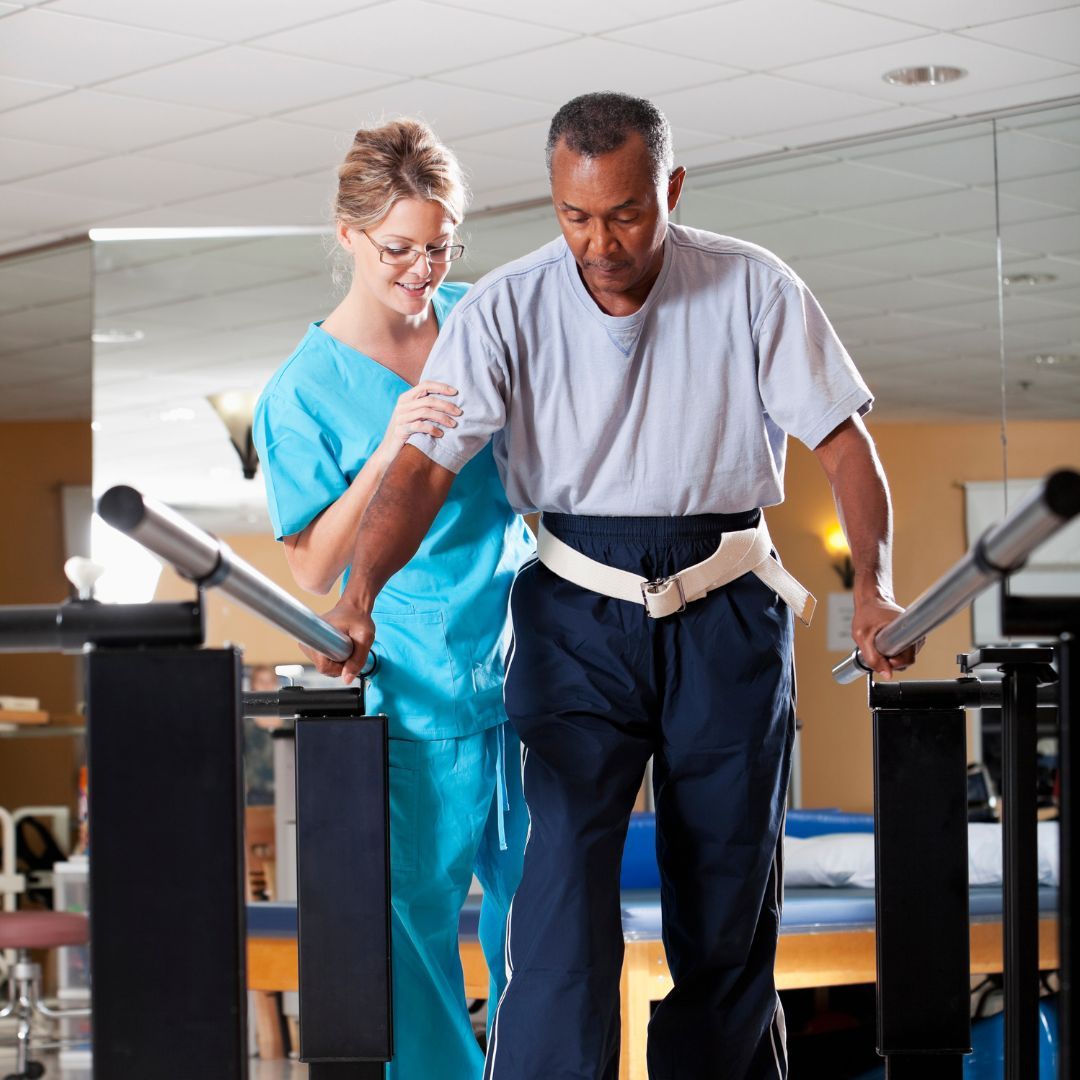
Practical Exercises That Build Real Stability
Some people benefit most from hip stability and lateral stepping work. Others need ankle control and foot placement training. Many need both, plus posture mechanics and turn practice. The best plan includes a small set of repeatable work you can do consistently, using Balance Exercises that match your specific stability deficits.
Common Categories Of Balance Work Include:
- Static stability drills for initial control and confidence
- Dynamic stepping drills for turns, direction changes, and reaction timing
- Strength-based drills that improve stability under everyday load
When Pain Is Part of the Balance Problem
If pain has caused shorter steps, less weight-bearing, or cautious turns, the plan should address the pain driver while retraining walking mechanics. When appropriate, care may align with Physical Therapy for Pain New York, NY so stability improves while the trigger behind compensation is reduced.
Why This Coordination Matters:
- Reduced pain improves natural weight transfer and step control
- Better mechanics reduces repeated strain that keeps pain recurring
- Increased confidence improves consistency and follow-through in rehab
When You Should Get Evaluated for Walking or Balance Changes
If balance issues are affecting daily function, early assessment is usually the smartest move. People often wait until a near-fall happens. It’s better to address the pattern when it first shows up, when the fix is easier and confidence is still intact. Evaluation is also useful when family members notice changes in walking speed, posture, or foot clearance, and you may be searching for an Abnormal Gait Doctor to understand what’s driving the change.
Common Reasons To Seek Evaluation Include:
- Feeling unsteady during turns, stairs, or quick direction changes
- Frequent tripping, shuffling steps, or reduced foot clearance
- Needing to hold onto walls or furniture for stability
- Fear of falling that limits normal activity
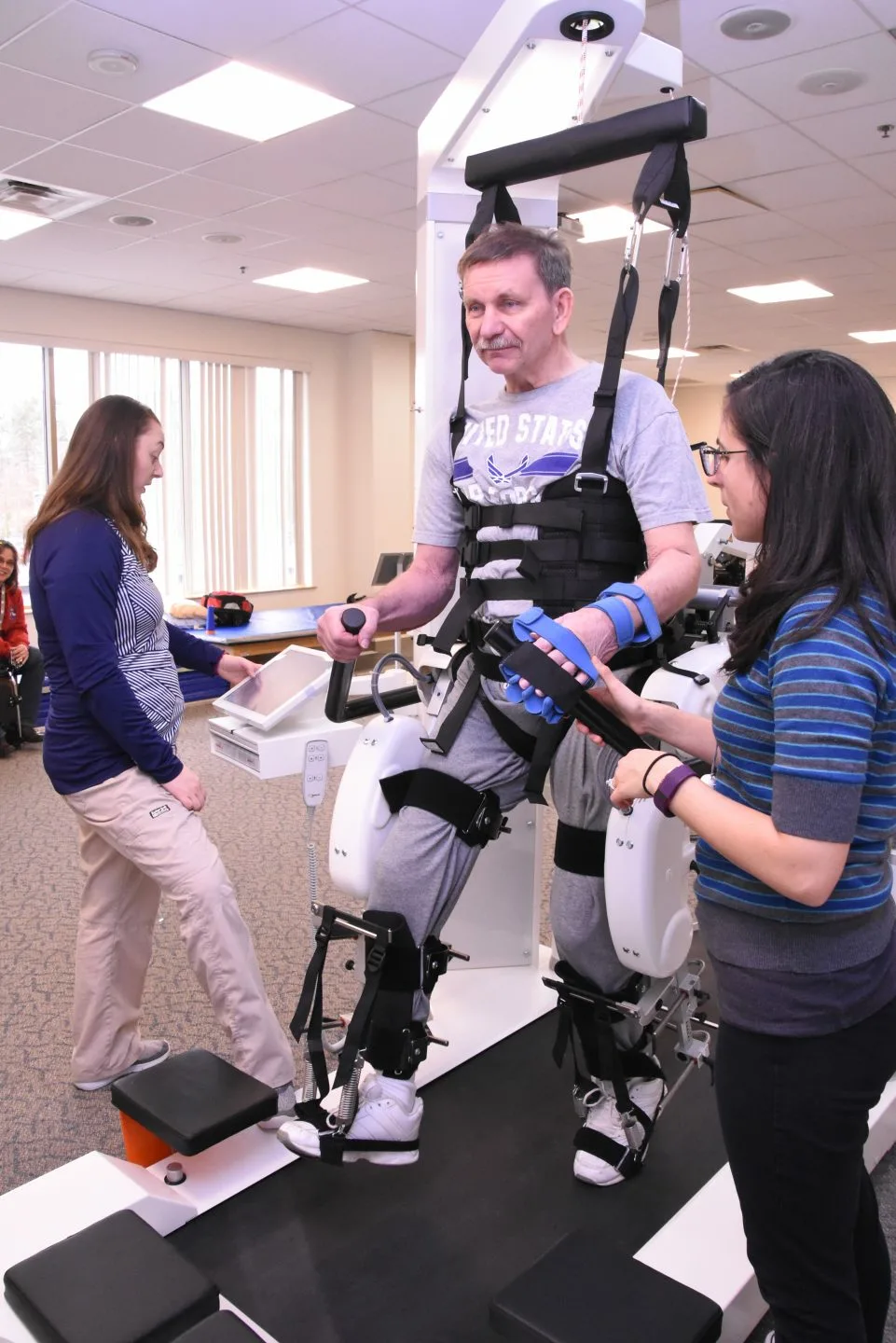
Book a Balance and Gait Evaluation for Steadier Walking
Balance and gait issues improve fastest when you identify what’s driving instability and train it with a plan that progresses in steps. The most effective therapy combines strength, coordination, posture, and real-world walking practice so improvements carry over into stairs, curbs, turns, and daily movement without constant fear of falling. Rehab One offers structured balance and gait care with measurable checkpoints so you can track progress and regain confidence in how you move. Schedule an evaluation, describe the situations where you feel least steady, and start a plan built for safer walking and steadier daily function.