
Start With the “Why” Behind Your Posture Pattern
In the first phase, we look at how your posture behaves under real demands: sitting at work, standing for long periods, reaching overhead, walking, and carrying. If you’re comparing options for a Rehabilitation Center in New York, NY or a Physical Therapy Clinic in New York, NY, choose care that explains what is driving your alignment shifts and how the plan will translate into measurable improvements in daily function.
What A Strong First Phase Usually Includes:
- Assessment of mobility restrictions that pull you into poor positions (hips, thoracic spine, shoulders)
- Strength and endurance screening for postural support muscles
- Movement analysis for walking, sit-to-stand, lifting, and reach mechanics
- A practical home routine designed for consistency, not intensity
What Body Alignment Therapy Actually Improves
Alignment work often reduces strain by improving how your ribcage, pelvis, and shoulder girdle coordinate during movement. When those pieces work together, you typically see less neck tension, better breathing mechanics, improved shoulder motion, and more stable hip and knee tracking. This is why posture-focused rehab can affect both comfort and performance.
Common Functional Goals Include:
- Less neck and upper back tension during desk work
- Reduced low-back pressure during standing and lifting
- Improved shoulder mechanics for reach and overhead tasks
- Better gait efficiency so walking feels steadier and less tiring
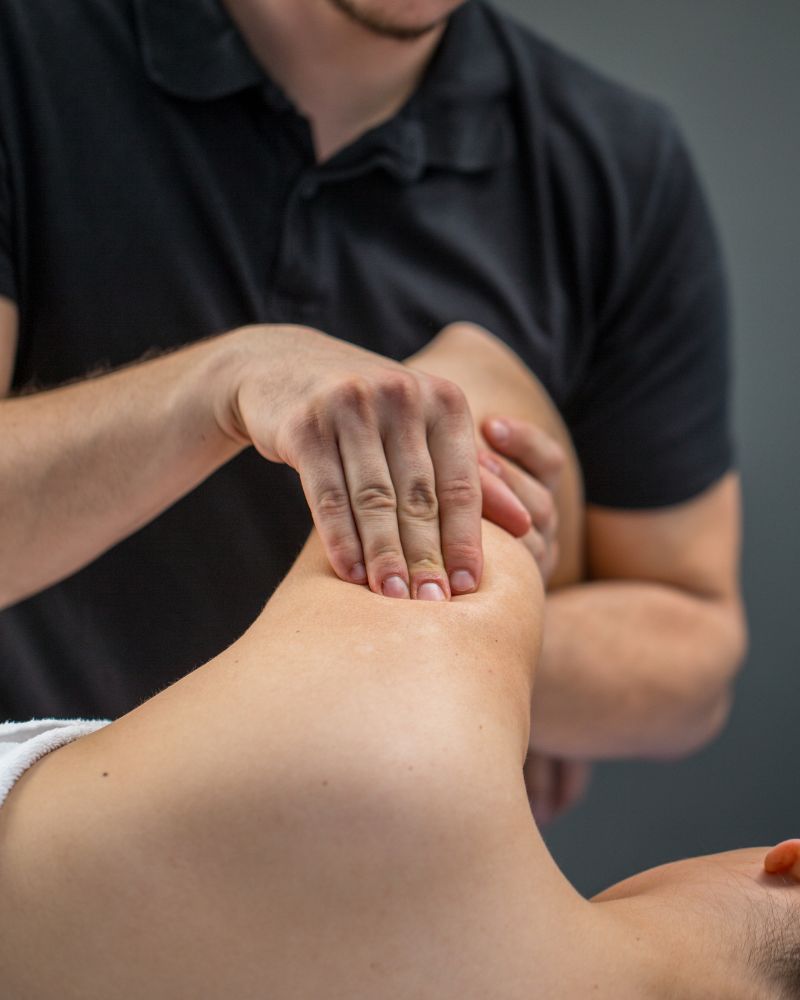
Start With the “Why” Behind Your Posture Pattern
Postural realignment is most useful when it’s linked to your daily triggers. The “right posture” is the one you can maintain during life, not the one you can hold for ten seconds.
What Is Postural Realignment In Physical Therapy?
Postural realignment in PT is a structured process that restores more efficient positioning by addressing the reasons your body drifts into strain patterns. That can involve improving mobility where you are restricted, strengthening where support is weak, and retraining coordination so your posture holds during movement, not just when you’re standing still.
Postural Realignment Work May Include:
- Thoracic and hip mobility strategies to reduce compensation
- Scapular and core control training to improve support under load
- Posture-in-motion drills that transfer into walking, lifting, and reach
How Muscle Strengthening Exercises in New York, NY Work
Strength is what makes posture sustainable. Without it, alignment improvements fade the moment you’re tired, stressed, or busy.
Which Muscles Matter Most For Better Posture And Alignment?
Posture relies on a network, not one “weak muscle.” Most plans prioritize mid-back support, shoulder girdle stability, core endurance, hip strength, and glute control so your spine and joints are supported during everyday tasks. Strengthening is progressed gradually so you build capacity without flare-ups.
Strengthening For Alignment Commonly Focuses On:
- Scapular stabilizers for shoulder and upper back support
- Core endurance for pelvic control during standing and lifting
- Glutes and hip stabilizers for better knee and hip alignment in gait
- Controlled posterior-chain work to improve load tolerance safely
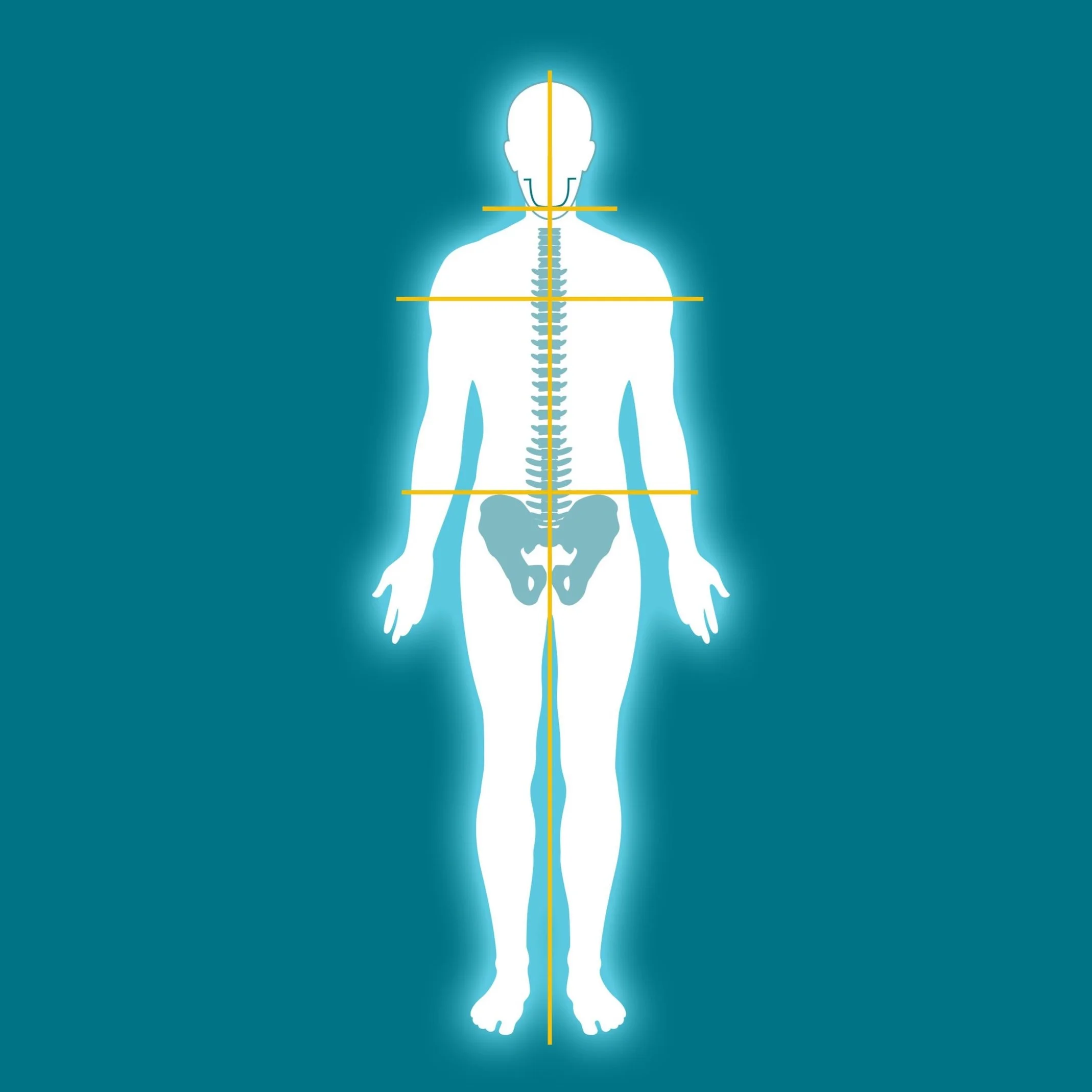
When Alignment Work Supports Pain Relief
When posture improves, shoulder mechanics often become smoother, neck tension can reduce, and hip and knee loading can become more stable. If pain is part of your picture, alignment-focused rehab may also coordinate with other treatments as needed, including Shock Wave Therapy for Pain New York, NY when clinically appropriate for certain soft tissue pain patterns.
Ways Alignment Work Can Support Comfort:
- Reducing repetitive strain on the neck, shoulders, and low back
- Improving joint tracking to reduce irritation during movement
- Building tolerance so daily activities stop causing recurring flare-ups
Book Body Alignment Evaluation and
Make Better Posture Repeatable
Alignment improves fastest when the plan is specific, realistic, and tied to the movements you repeat every day. When you address the mobility limits that pull you out of position and build the strength that keeps you supported, posture becomes less of a struggle and more of a natural baseline. Rehab One provides structured care that connects posture retraining to measurable functional outcomes so you’re not just “standing straighter,” you’re moving with better control during work, walking, lifting, and daily routines. Schedule an evaluation, share the main positions that trigger your symptoms, and start a plan that makes better posture repeatable, not temporary.