
We Build a Pain Plan Around Your Triggers and Daily Demands
In the first phase, we connect symptoms to function and build a roadmap you can follow. If you’re comparing options for a Rehabilitation Center in New York, NY or a Physical Therapy Clinic in New York, NY, prioritize a team that can explain the “why” behind your pain and the steps that will improve tolerance without forcing flare-ups.
What The First Phase Typically Includes:
- A focused review of triggers, daily demands, and symptom patterns
- Movement and joint-loading assessment to identify what aggravates the system
- A progressive plan built around measurable functional checkpoints
- Home guidance that supports improvement without overwhelming your week
What “Pain Management” Means in a Physical Therapy Clinic
In a rehab setting, pain management focuses on the mechanics and capacity behind symptoms. That includes joint mobility where stiffness drives overload, stability where the body is compensating, strength where weakness is amplifying irritation, and pacing strategies when the nervous system is sensitized. A good plan reduces the need for constant avoidance by improving how your body handles everyday load.
Pain Management In Rehab Often Supports:
- Reduced flare-ups by correcting the movement pattern that restarts symptoms
- Better posture and joint control during sitting, standing, and walking
- Improved strength and endurance so normal tasks feel easier
- Clear pacing to build tolerance without “boom-and-bust” cycles
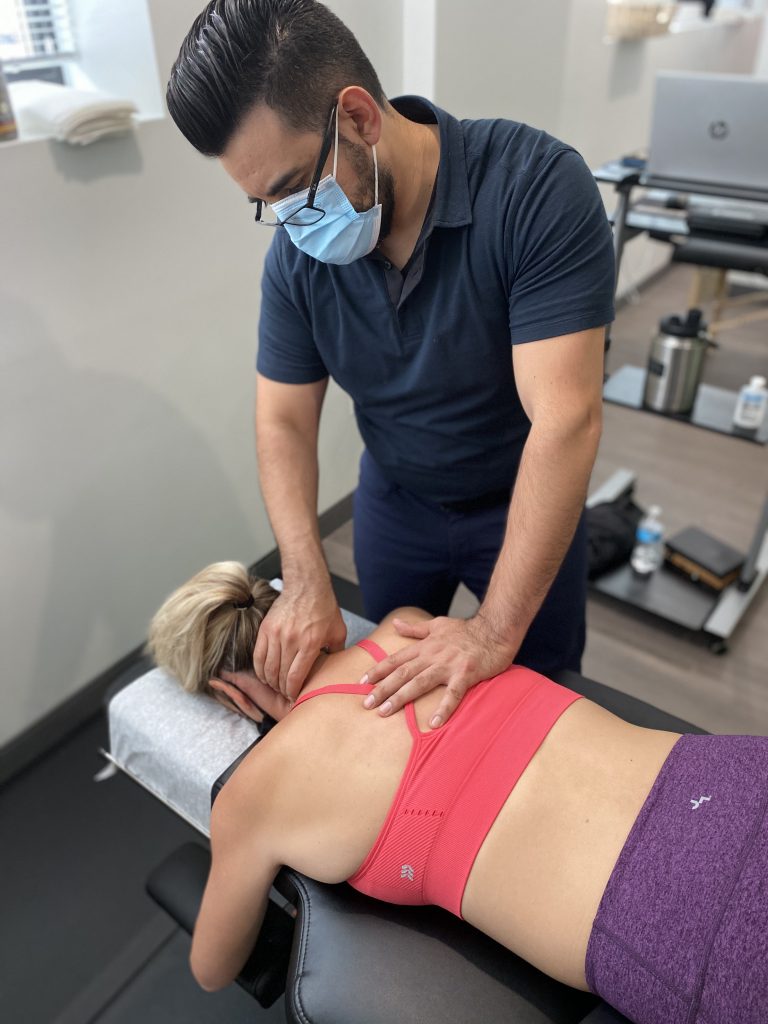
Arthritis Pain Management in New York, NY
Arthritis pain is often driven by stiffness, altered joint mechanics, and decreased muscle support around the joint, which can increase stress during walking, stairs, or prolonged standing. A well-built plan aims to improve joint-friendly movement, strengthen the support system around the joint, and reduce sensitivity by improving consistency, not intensity. The goal is steadier days and fewer spikes, especially in knees, hips, hands, shoulders, and spine.
What Does Arthritis Pain Treatment Usually Include?
The plan typically combines mobility work to reduce stiffness, strengthening for joint support, and functional training tied to your daily tasks. It also includes pacing strategies so you can stay active without triggering multi-day flare-ups. When done correctly, the work builds confidence because progress is tracked through function, not guesswork.
Common Goals For Arthritis-Related Pain:
- Improve walking and stair tolerance by strengthening key support muscles
- Reduce joint strain through posture and movement mechanics
- Increase daily activity consistency without major flare-ups
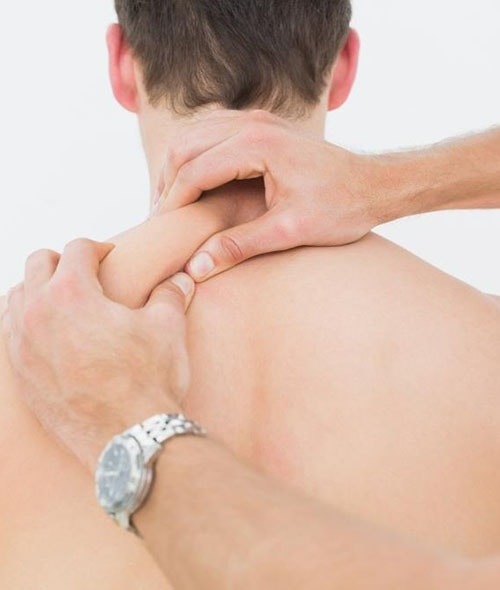
When Joint Pain Needs a More Structured Plan
Many people search for Joint Pain Doctors Near Me because pain feels “inside the joint,” but the driver can include weak support muscles, poor shock absorption, stiffness, or compensations that overload the area. A rehab-based approach clarifies the driver first, then targets the most changeable factors so you can move better with less irritation.
Common Joint Pain Patterns We Address:
- Knee pain that spikes on stairs, squats, or long walks
- Hip pain that worsens with prolonged standing or side sleeping
- Shoulder pain with reach, lift, or overhead activity
- Back pain linked to load tolerance, posture, and movement control
How We Measure Progress Without Guessing
A strong plan uses functional benchmarks rather than vague “good days.” That might mean walking longer without changing your gait, moving through more range with less guarding, handling stairs with fewer stops, or returning to work tasks with less symptom rebound. This is how a Pain Relief Expert thinks: measurable function first, symptom reduction follows.
Examples Of Measurable Checkpoints:
- Distance and time you can walk before symptoms change your pattern
- Stair tolerance and sit-to-stand ease without compensation
- Range of motion gains that reduce stiffness-related overload
- Strength improvements that reduce strain on irritated structures
What “Pain Management Services” Look Like in Practice
In practice, sessions typically include guided movement retraining, targeted strengthening, mobility work where stiffness is a limiter, and functional training tied to your daily needs. The plan is adjusted based on response so you continue progressing without chasing flare-ups.
Core Components Often Include:
- Movement re-education to reduce protective compensation patterns
- Strengthening progressions that improve joint support and load tolerance
- Mobility work when stiffness is increasing joint stress
A clear home routine focused on consistency, not intensity
Book and Start With Functional Checkpoints
Pain becomes easier to manage when you stop treating it like a random event and start treating it like a pattern with drivers you can identify and influence. The most effective rehab-based pain care reduces the triggers that restart symptoms, rebuilds strength and joint support, and improves movement tolerance through progressions you can repeat in daily life. If your goal is fewer flare-ups, steadier walking, easier stairs, or better joint comfort during work and home routines, schedule an evaluation and begin with a plan that tracks progress through functional checkpoints instead of vague promises. Learn more about improving your posture and joint health with our Body Alignment in New York, NY